

Add a real flame to your Victorian fireplace with a bioethanol fire insert
No chimney, no gas, no major renovation needed
If your fireplace looks great but never gets used, a bioethanol fire insert for a Victorian fireplace is one of the easiest ways to make it the focal point of your room again.
- ✔ Real flame — not electric
- ✔ No chimney required
- ✔ Quick, clean installation
For many people, this is a quick and straightforward setup.
Designed to sit neatly into traditional fireplace grates
A popular way to bring unused fireplaces back to life.
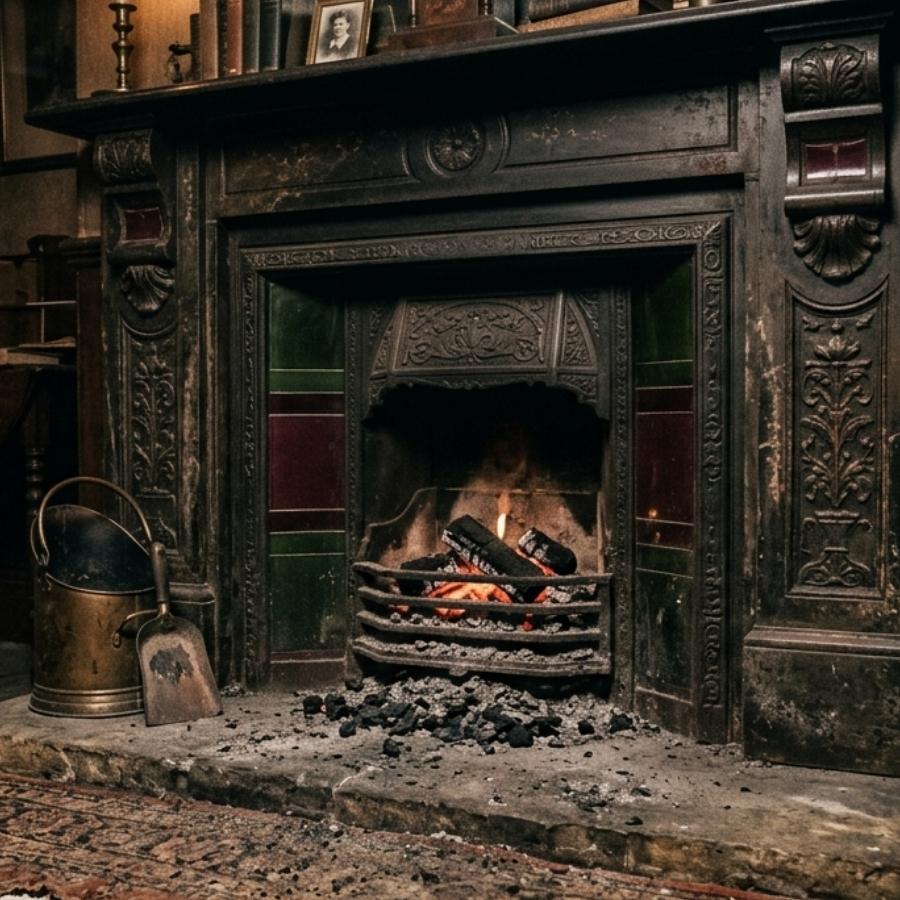
No chimney needed
Bioethanol doesn’t need a flue, so it works brilliantly in fireplaces that are no longer in use.
Real flame, no mess
You still get a proper flame — just without logs, soot, or ash.
Quick transformation
One of the simplest ways to make a Victorian fireplace feel useful again.
What is Bioethanol?
Bioethanol is a clean liquid fuel made from natural plant-based sources.
You pour it in, light it, and get a real flame — no smoke, no soot, no mess.
That’s why it works so well in old Victorian fireplaces that no longer get used.
Simple idea: good fuel = better fire
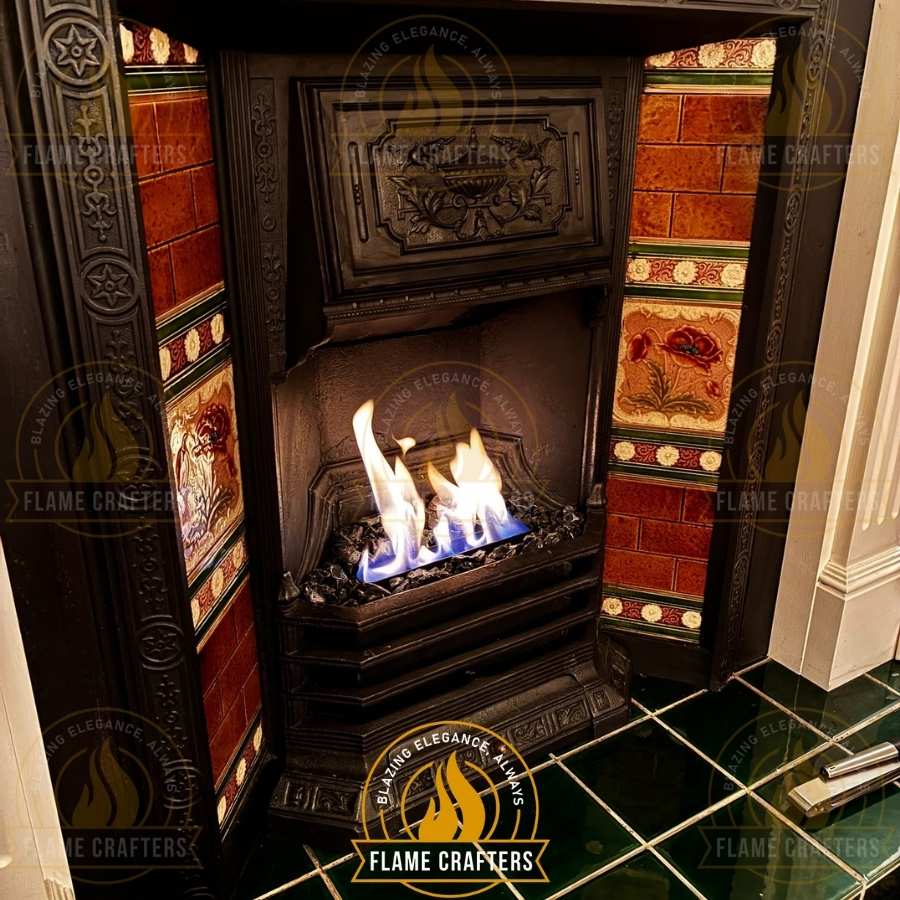
Best Bioethanol Burner for a Victorian Fireplace
If you want the simple answer, this is the setup we’d point most people towards.
The EcoSmart VB2 is one of the easiest ways to add a real flame to a Victorian fireplace.
It sits neatly on a grate, looks right in a period setting, and gives far more confidence than cheaper tray-style burners.
See the EcoSmart VB2
Can You Use a Bioethanol Fire in a Victorian Fireplace?
Yes — and in many cases it is one of the easiest ways to get a real flame back into an old fireplace.
As long as the setup is done properly, a bioethanol burner can work beautifully in a Victorian fireplace without needing gas or a working chimney.
This is why a bioethanol fire insert for a Victorian fireplace has become such a popular option.
Preparation
Do this right… and your fire works properly. Skip it… and all your heat disappears up the chimney.
Seal the Flue (From Inside)
Bioethanol doesn’t need a chimney — but an open one will still pull your heat away.
Some fireplaces already have a throat plate (a metal plate above the opening). If yours has one, it can often be used to close off the flue.
If not, you’ll need to add a closure from inside the fireplace.
- Use stainless steel plate or cement board
- Do not use chimney balloons or wool packs
- Never seal from the top
Bonus: Add around 100mm of rockwool above the plate to keep more heat in and reduce cold spots when the fire isn’t in use.
Clean the Fireplace
Before installing your bioethanol fire insert into a Victorian fireplace:
- Remove soot
- Clear debris
- Give it a quick clean
👉 Start fresh — not on 100 years of dust.
Positioning the Burner
Place the burner into the fireplace and check it sits right.
The adjustable feet let you tweak the height so it sits perfectly on your grate.
- Make sure it’s level
- Adjust height if needed
- Aim for a clean, centred look
This is exactly what the EcoSmart VB2 was designed for — a simple, clean Victorian fireplace conversion.
View EcoSmart VB2Dressing the Burner
Use ceramic coals or logs made for gas fires — they’re built for heat.
Ceramic coals or logs made for gas fires are ideal because they’re designed to handle high temperatures safely.
Avoid: real coal, wood, or random stones.
👉 The flame is real. Treat it like one.
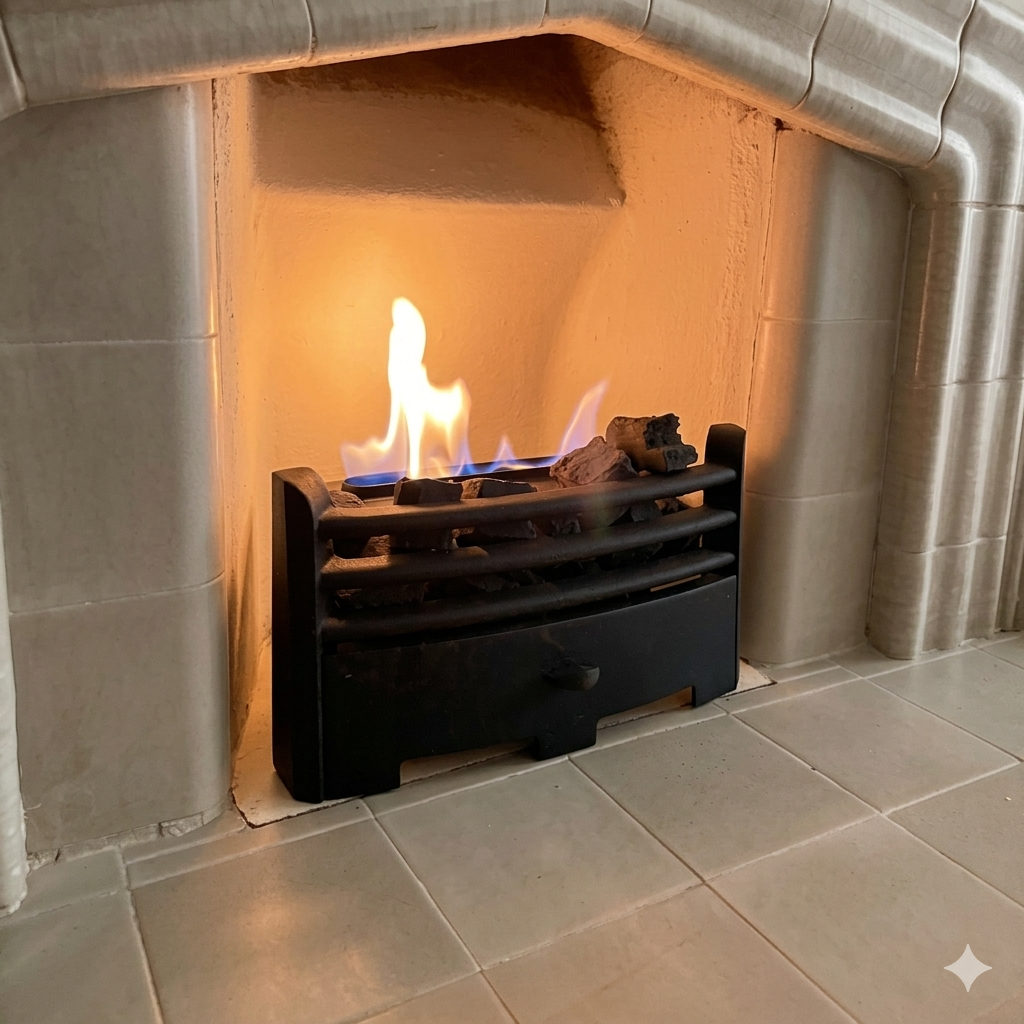
Filling and Lighting the VB2
Always make sure the burner is cool and the area is clear before lighting.
Fill when cool
Always fill when completely cool.
Use the supplied can
Pour cleanly and avoid spills.
Light safely
Use the lighting rod from a distance.
Simple steps
- Make sure it’s cool
- Pour slowly
- Don’t overfill
- Wipe spills
Extinguishing the Burner
Use the lid to cut oxygen and extinguish the flame safely.
The flame will go out within a few seconds — no switches, no fuss.
Leave the lid on after use to help stop fuel evaporating between burns.
Always allow the burner to cool fully before touching or refilling.
Choosing the Right Burner for Your Fireplace
There are cheaper burners out there, but this is one of those times where cheaper can stop feeling like better value very quickly.
When choosing a bioethanol fire insert for a Victorian fireplace, the burner itself makes a big difference.
What cheaper burners usually give you
- A basic tray-style setup
- Less control over filling and day-to-day use
- Fewer features designed around safety
- A finish that can look out of place in a period fireplace
If all you want is the lowest price, those options exist. But for something you’re lighting inside your home, most people decide it’s worth doing properly the first time.
Why people still choose the EcoSmart VB2
- It feels more suited to a proper fireplace conversion
- It is easier to position neatly on a grate
- It gives more confidence when filling, lighting, and everyday use
- It is designed as a more complete, better thought-out burner
For a Victorian fireplace in your home, that extra confidence matters.
Why the EcoSmart VB2 Is One of the Safest Options
A real flame in your home is not the place to cut corners.
Cheap burners can be very basic
Some low-cost burners are little more than a tray for fuel. That can mean less control, less thought put into safe filling, and a setup that feels too basic for a Victorian fireplace inside your home.
That may be enough for some people. For a real fireplace in a lived-in room, we’d rather not take that risk.
Why the VB2 stands out
- Designed to separate flame from fuel for a steadier burn
- Dedicated filling point for safer refuelling
- Lighting rod and lid system designed around controlled use
- Built to sit neatly into traditional fireplaces
- Durable stainless steel construction
Common Questions
Do I need a chimney for a bioethanol fire?
No. Bioethanol fires don’t need a chimney, but sealing the flue helps stop heat loss.
Are bioethanol fires safe in Victorian fireplaces?
Yes — when installed properly and used with a quality burner like the VB2.
Do bioethanol fires give off heat?
Yes. They provide a real flame and useful local heat, but aren’t a full heating replacement.
What is the best bioethanol fire insert for a Victorian fireplace?
For most setups, a purpose-built burner like the EcoSmart VB2 is a popular choice because it fits neatly into traditional grates and is designed for indoor use.
Bring Your Victorian Fireplace Back to Life
A simple way to bring your Victorian fireplace back to life — without the mess, cost, or disruption.
View the EcoSmart VB2